Gas Flaring into discussion
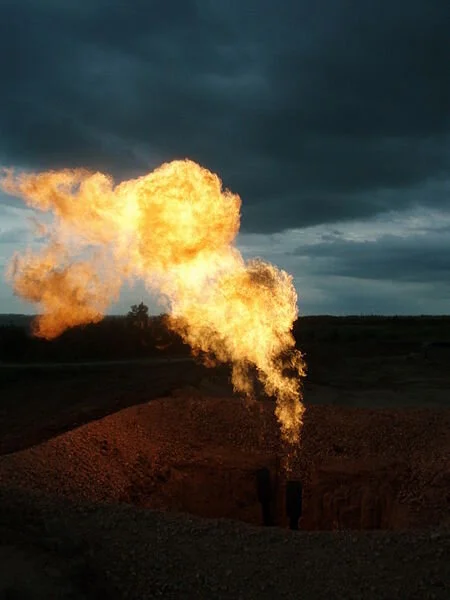

Gas flaring came again into discussion these days regarding a negotiation that was in progress about an LNG supply deal. A recent analysis on this topic was issued by BloombergNEF. Here we summarize some key ideas from this analysis.
Flaring and fugitive methane emissions have been present in U.S. gas industry for years. Reports confirmed last week that the French government blocked the LNG supply deal between the utility Engie SA and NextDecade (LNG project developer) because of these emissions.
Flaring is a field operation to manage superfluous casinghead gas produced from oil-focused wells. Normally producers do not construct facilities to capture and process this gas by-product. As a result, this gas (methane) is released or burned. The Energy Information Administration (EIA) estimates that a multidecade high of 650 MMcf/d of gas was either flared or vented in Texas in 2018.
European regulators formalized concerns in October through their EU methane strategy, which considers implementing methane reductions targets.
The Texas Railroad Commission is in charge of regulating flaring and venting in Texas. The official rule stipulates that flaring is allowed for up to 10 days after the completion of a well. Beyond this period, a special exception is required to flare.
The issue of contention around the Engie-NextDecade deal is the emissions related to the feedgas sourced to produce LNG. Even if this contract goes through, NextDecade is still a long way from making final investment decision on the 13.5MMtpa (Phase 1) Rio Grande project.
Source: <https://www.bloomberg.com/professional/blog/gas-flaring-catches-up-with-u-s-lng/?tactic-page=254901>